Why We Should Always be Students of Life
Learning is one of the few constants that follows us through every phase of life. From early childhood curiosity to the skills we develop up as adults, our ability to grow and adapt to new situations shapes everything we do. Like a lighthouse helping us navigate change, remaining a student of life allows us to stay open to new perspectives and become more capable versions of ourselves over time.
While this is true for our personal lives, its impact is just as powerful in professional environments. When leadership teams intentionally create space for growth, curiosity, and shared knowledge, they build a culture that is resilient and adaptable. At the pace in which the workforce is changing, cultivating a true culture of learning will be a decision that withstands the test of time.
Why a Learning Culture Matters
Seeking knowledge typically begins as a personal journey, but its benefits can multiply when that energy is carried into the workplace. In ever-changing work environments, teams who continuously choose to learn stay ahead of the curve. A strong learning culture empowers employees to build new skills, share knowledge openly, and approach challenges with curiosity instead of hesitation. Ultimately, this creates an innovative threshold for organizations to adapt quickly when circumstances change.
Sure, this impact is an operational benefit, but it’s also deeply human. When people feel supported in their growth, they become more engaged, more confident, and more connected to the work they do.
The 2024 LinkedIn Learning Report points out how opportunities to develop professionally have been shown to increase motivation and reduce turnover, especially as employees seek workplaces that invest in their sustained success. In short, cultivating a culture of learning helps your team stay competitive, but more importantly it helps create an environment where people and organizations can thrive in tandem. The goal is fostering an environment that:
- Drives innovation and adaptability
- Improves employee retention and engagement
- Strengthens organizational resilience
- Enhances quality, productivity, and performance
The Key Elements of a Learning Culture
Creating a learning‑first workplace won’t happen by accident. It’s the result of intentional practices and shared values woven into everyday operations. These core elements work together to build an environment where people feel supported, encouraged, and motivated to grow. There are a few key components to making sure you can properly lay a foundation built to last.
- Leadership Support: Leaders who value transparency and curiosity set the tone for continuous improvement.
- Open Communication: Employees feel safe asking questions, sharing ideas, and admitting mistakes.
- Access to Learning Resources: Offering training, workshops, peer mentoring, and digital learning tools.
- Continuous Feedback and Coaching: Ongoing coaching and feedback encourages steady progress and skill development.
- Recognition and Reward Systems: Celebrating learning achievements motivates continued growth and incentivizes knowledge sharing in the community.
Practical Strategies for Cultivating a Learning Culture
By making learning accessible, consistent, and relevant, organizations can empower employees to grow in ways that benefit both the individual and the entire team. These strategies offer practical ways to embed learning into the rhythm of everyday operations.
- Make Learning Part of Everyday Work: Incorporate microlearning opportunities that fit naturally into the workday.
- Build Personalized Development Plans: Tailor learning goals to each employee’s role, interests, and long‑term career aspirations with clear pathways for growth.
- Encourage Collaboration: Create cross-functional communities to foster discussion, problem‑solving, and new ideas.
- Leverage Technology to Support Learning: Use AI‑powered tools to personalize content and recommend relevant resources.
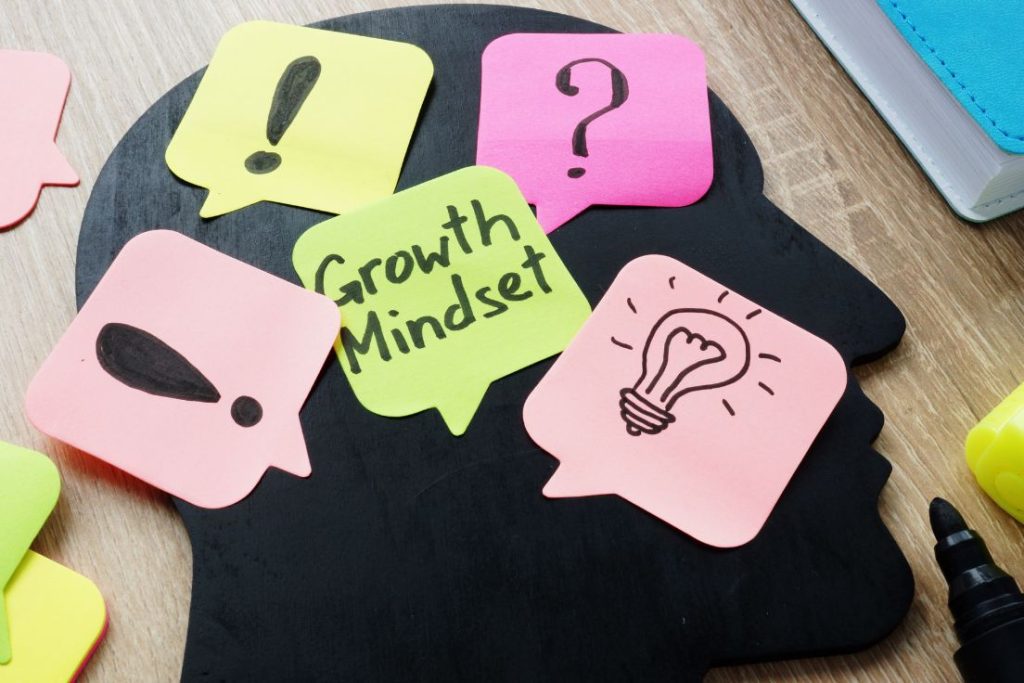
- Promote a Growth Mindset Across the Organization: Reinforce the belief that skills can be developed and improvement is always possible.
Overcoming Barriers and Seeing Real‑World Impact
Even with the best of intentions, building a culture of learning often comes with hurdles. Whether it’s a time constraint, limited budget, or resistance to change, it can all slow progress. Many organizations struggle to carve out space for development amid daily demands or worry that investing in training will interrupt productivity.
Most of these obstacles can be overcome through small, intentional shifts. Organizations that commit to this mindset see meaningful and measurable benefits.
- Teams become more adaptable during periods of change
- Onboarding accelerates
- Collaboration strengthens
- Turnover decreases
- Employees feel more supported in their development
Results consistently show that investing in learning goes beyond empowering individuals, it strengthens the entire organization and creates a palpable energy shift.
Conclusion
Learning is one of the few investments that continually pays itself forward. When organizations choose to nurture curiosity, encourage growth, and create space for people to stretch their skills, they’re building workplaces where individuals feel empowered to evolve with the world around them.
A culture of learning doesn’t need to start with drastic changes; it begins with a conversation, a willingness to grow, and a belief that everyone has something valuable to contribute. Over time, those small commitments turn into lasting habits that strengthen teams and fuel innovation.
The organizations that will thrive in the buzz of the modern workplace are those that view learning not as an initiative, but as part of their identity. In choosing to embrace learning as a shared journey, leaders inspire their teams to move forward with a sense of possibility. The first step may seem small, but its impact can be transformative beyond the walls of your organization.