How to Avoid Skipping Steps
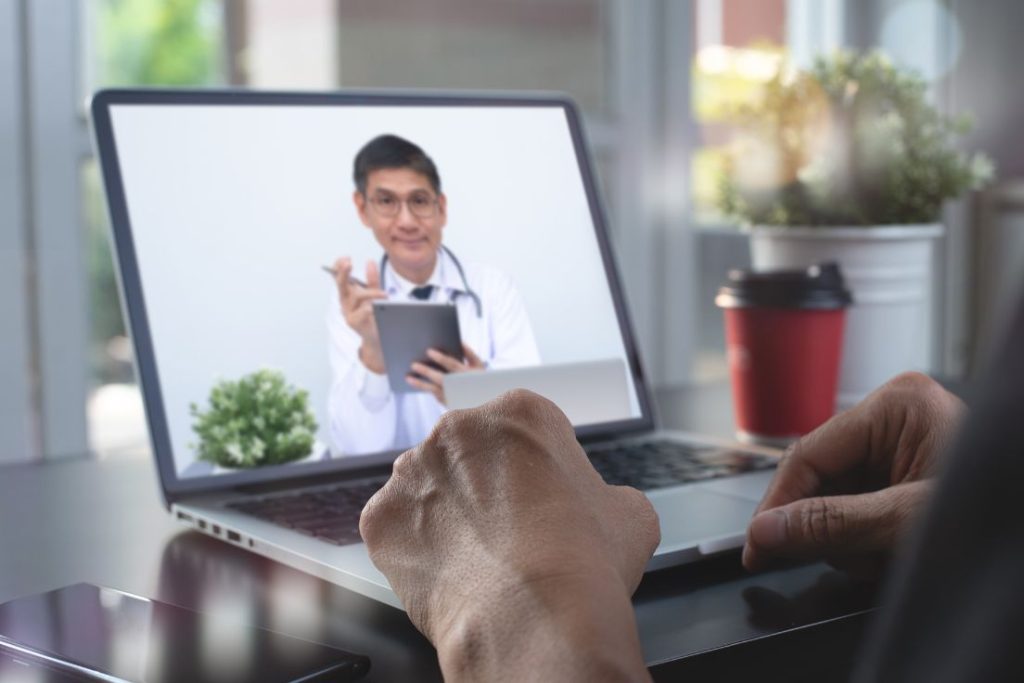
Telemedicine has transformed how and where care is delivered by giving patients greater access to providers regardless of geographic boundaries. As virtual care expands across state lines, it introduces complexity into the provider credentialing process.
To cover this gap, a provider who once practiced from a single location may now need to maintain multiple state licenses, meet varying telemedicine requirements, and remain continuously monitored across several jurisdictions.
For medical staff and credentialing teams, the traditional single-location credentialing model is no longer the only credentialing format. The backend of today’s telemedicine workforce requires:
- centralized provider data
- reliable verification processes
- technology that can keep pace with a rapidly evolving regulatory landscape
The Multi-State Telemedicine Challenge
One of the biggest perks for patients can also one of the biggest challenges created in telemedicine. According to a statistical analysis done by the CDC, 80% of physicians use telemedicine in their practice. A provider’s practice is no longer limited to the physical location of the work. When a patient and provider are in different states, the provider may need to be licensed or otherwise authorized to practice in the state where the patient is located. It seems simple, but there are several requirements that have to be met to make it happen.
A single provider can quickly become associated with multiple state licenses, each with its own:
- application process
- renewal cycle
- continuing education requirements
- telemedicine-specific rules
- organization-specific policy
Since these requirements can vary by state and change over time, credentialing teams must be able to track not only who a provider is, but also where that provider is permitted to deliver care. Without a clear, current view of each provider’s state-by-state authorization, organizations are at risk for delays, compliance gaps, and unnecessary administrative burden.
Credentialing Becomes More Complex
With provider access expanding to delivering care across multiple states, credentialing teams must manage a broader and more detailed set of requirements across the board. Instead of tracking one medical license, one renewal date, and one set of practice requirements, teams may be responsible for maintaining several items that all support credentials remaining current. This can include:
- board certifications
- DEA and CDS registrations
- professional liability coverage
- state-specific telemedicine requirements
- other expirables that must be verified/renewed on time
For credentialing teams, keeping provider records accurate starts with careful documentation, but it doesn’t end there. It requires a reliable process for organizing, verifying, and monitoring the complete credentialing picture.
Primary Source Verification Matters
In a multi-state telemedicine environment, relying on provider-submitted information alone isn’t enough to ensure that a provider is fully qualified and authorized to practice. Several items must be verified directly from the source so organizations can confirm that the information on file is accurate and current, like:
- licenses
- certifications
- sanctions
- malpractice claims
- other unique credentials
This is especially important given that when providers hold credentials in multiple states, a change in one jurisdiction may affect whether they can continue delivering care to patients in that location. Manual verification can be time-consuming and difficult to maintain at scale, particularly when credentialing teams are already managing high volumes. Real-time or automated primary source verification helps reduce repetitive administrative work, identify changes faster, and give teams greater confidence that provider records honestly reflect the most up-to-date information available.
The Risk of Outdated Provider Data
Outdated provider data can create risk at every stage of the credentialing and care delivery process. If a license expires, becomes restricted, or is not properly updated in a provider record, an organization may face compliance concerns and potential patient-safety issues.
Even smaller data inaccuracies, such as an incorrect practice location, missing renewal date, or outdated certification status, can lead to:
- administrative delays
- rework
- confusion for credentialing
- medical staff
- enrollment
- operational teams
These risks become harder to manage when provider information is spread across disconnected spreadsheets, email threads, or separate systems that don’t communicate with one another. Without a single source of truth, teams may spend valuable time reconciling records instead of proactively managing expirables and monitoring changes. For organizations supporting telemedicine across multiple states, accurate and current provider data should be top priority, building a foundation for compliance, continuity of care, and operational efficiency.
Beyond Credentialing: Privileging and Enrollment
Credentialing is only one part of the broader provider readiness process. In a telemedicine model, organizations must also consider how multi-state practice affects clinical privileges and payer enrollment. A provider may be appropriately credentialed, but they still need the right privileges to deliver specific services within the organization. In many cases, the provider must be enrolled with the appropriate payers before care can be billed or reimbursed.
Providers supporting patients across multiple states or service lines often requires more difficult coordination. Delays in privileging or enrollment can prevent an otherwise qualified provider from:
- seeing patients
- creating access issues
- revenue delays
- added administrative follow-up
Connecting credentialing, privileging, and enrollment information helps organizations better understand whether a provider is truly ready to practice. This provides genuine perspective beyond just whether their credentials are on file.
How Technology Can Help
Technology plays a significant role in helping credentialing teams manage the added complexity of telemedicine. A centralized provider data platform gives organizations one place to maintain all provider details.
The right technology partner simplifies things by combining multiple steps of the process. Automated expiration tracking can help teams stay ahead of renewals, while primary source verification and ongoing monitoring can reduce the time spent manually checking credentials. Reporting tools also give leaders better visibility into provider status across states, departments, and facilities, making it easier to identify gaps before they create operational or compliance issues. Credentialing technology allows teams to focus less on chasing data and more on keeping providers ready to deliver care by reducing repetitive manual work and improving access to accurate information.
MD-Staff Connection
MD-Staff helps organizations manage the complexity of provider information by centralizing credentialing data in one streamlined system. Instead of relying on disconnected spreadsheets, manual tracking, or separate records for each location, teams can maintain comprehensive provider profiles.
This centralized approach is especially valuable for organizations supporting telemedicine, where providers may be connected to multiple states and requirements at once. MD-Staff helps credentialing teams stay organized and reduce the risk of outdated or incomplete information with tools for:
- managing provider records
- tracking expirables
- supporting more efficient workflows
When paired with our other solutions like Checksome for primary source verification and monitoring, organizations can further strengthen their ability to confirm credentials and stay informed of important changes. The value is not only rooted in storing provider data. It’s in giving teams a more reliable way to manage the complete provider picture.
Conclusion
Telemedicine isn’t reducing the need for strong credentialing; it’s making it more important than ever. As providers deliver care across more state lines, organizations need accurate, centralized, and continuously monitored provider information to support them. Credentialing teams must be able to see where each provider is authorized to practice, which credentials are current, and what additional steps may still be needed before care can be delivered or reimbursed.
With the right processes and technology in place, organizations can better manage the complexity of multi-state telemedicine while reducing manual work and improving confidence in their provider data. One provider may practice in multiple states, but organizations ultimately need one reliable place to manage the full scope of their practice.